
Neon Sign Painting | DIY Faux Neon Art Complete Guide
-
Posted:
(UTC)
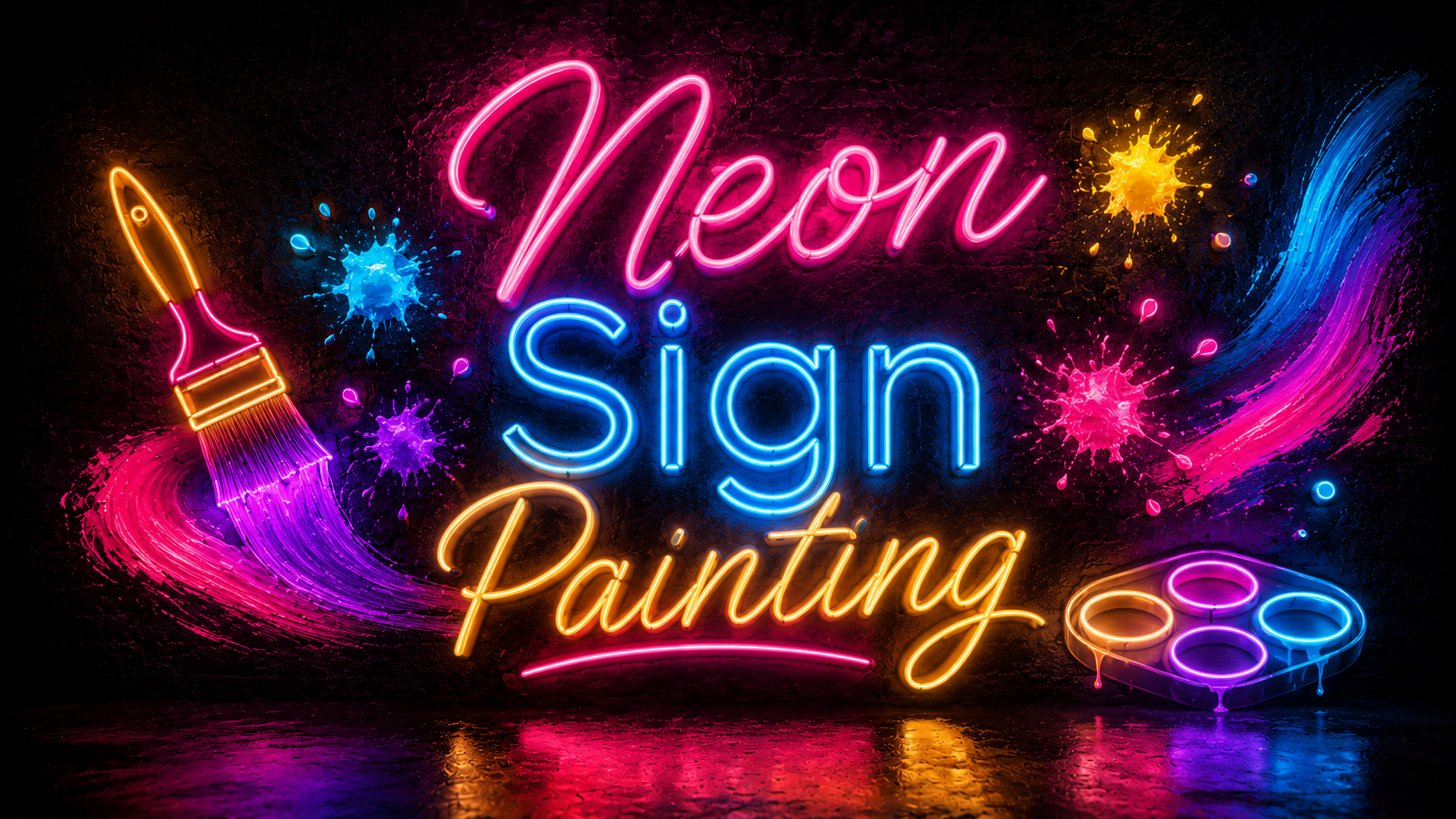
Neon Sign Painting: How to Create a Faux Neon Sign at Home?
You love the look of neon signs but do not want to pay hundreds of dollars for a custom LED sign. Neon sign painting gives you that same glowing, vibrant aesthetic using nothing more than acrylic paint and a black canvas. This technique has taken over social media and DIY home decor circles because it is affordable, beginner-friendly, and produces stunning results when done right. This guide walks you through every step from choosing your materials to achieving a convincing neon glow effect that looks incredible on any wall.
Can You Actually Paint on a Real Neon Sign?
This is the first question most people ask. The short answer is no you should not paint directly onto the glass tubing of a traditional neon sign. The glass tubes contain gas that creates the glow, and paint on the surface blocks light transmission and can potentially damage the tube. Painting on a real glass neon sign risks ruining both the aesthetics and the function of the sign.
For LED neon signs, painting the silicone tubing is similarly not recommended because it alters the light color and can damage the protective coating. The right approach and the one this guide covers is painting a faux neon sign on canvas or another surface to mimic the glowing look of neon light using art materials.
Materials You Need for Neon Sign Painting
Gathering the right materials before you start makes the process smooth and the result professional. Here is what you need for a faux neon sign painting:
- Black canvas or black-primed surface: The dark background is essential. Neon colors pop against black the same way real neon glows against a dark wall.
- Neon-colored acrylic paints: Choose vibrant, saturated colors hot pink, electric blue, neon green, bright orange, or warm yellow.
- POSCA paint markers (optional but recommended): These water-based markers give incredibly clean, even lines, especially for lettering.
- Round brushes in multiple sizes: A fine-tip brush for outlines and a slightly wider brush for filling.
- White acrylic paint: Used to create the bright center highlight that simulates the glowing core of a neon tube.
- Pencil for sketching: Light pencil lines guide the design without showing through the final paint.
- Clear acrylic sealer or varnish: Protects the finished painting and enhances color vibrancy.
Step-by-Step: How to Paint a Faux Neon Sign
Step 1: Prepare the Surface
Start with a black canvas or paint your canvas solid black and let it dry completely. An 11 x 14-inch canvas works well for beginners because it is large enough for clear lettering but small enough to manage. The black background is non-negotiable it is what makes the neon colors appear to glow rather than just sitting flat on the surface.
Step 2: Sketch Your Design Lightly
Use a pencil to lightly sketch your design on the black canvas. Keep lines clean and well-defined. Simple single words, short phrases, or bold shapes like hearts or arrows work best for beginners. Look at real neon signs for inspiration clean curves and bold strokes translate best into the painting.
Step 3: Apply the Base Neon Color
Paint the first layer using your chosen neon color. Apply it along the full shape of your letters or design. This base layer creates the outer glow effect. Keep the strokes roughly the same width as a real neon tube (about the width of your finger). Use a round brush for curves and a steadier motion for straight lines.
Step 4: Build the Glow Effect with Layering
Let the first layer dry completely. Then apply a second, slightly thinner layer of a slightly brighter or lighter version of the same color, centered within the first layer. Layering is the key technique that creates the three-dimensional glow effect. Each layer should be narrower than the one before it, building toward a bright center.
Step 5: Add the White Highlight
This is the most important step. Take white acrylic paint or a white POSCA marker and paint a thin line directly through the center of your neon design. This white center line simulates the brightest core of a real neon tube. Apply 2 to 3 coats of white for maximum brightness, letting each coat dry before the next.
Step 6: Soften the Outer Glow (Optional)
For an even more realistic glow effect, use a colored pencil in the same hue as your neon color and lightly shade around the outer edges of the design. This creates a soft ambient glow that spills onto the black background exactly the way real neon light does on a dark wall.
Step 7: Seal and Finish
Once all layers are dry, apply a coat of clear acrylic sealer over the entire painting. This protects the colors, prevents chipping, and gives the surface a slight sheen that enhances the glowing effect. A UV black light shone on your finished painting will make the neon paint glow even more intensely a fun effect for parties or gaming rooms.
Tips for Better Results
- Use POSCA markers for lettering: They produce far cleaner, more consistent lines than a brush for text.
- Let every layer dry completely: Painting wet-on-wet smears the colors and ruins the glow effect.
- Practice on scrap paper first: Test your layering technique before touching the final canvas.
- Keep the design simple: Complex multi-line designs are harder to control and easier to make look crowded.
- Invest in good acrylic paint: Cheap paint produces dull colors that do not pop against black the way quality neon acrylics do.
What Surfaces Work for Neon Sign Painting
Canvas is the most popular surface, but you can achieve the same effect on wood, metal, or foam board. Whatever surface you choose, the background must be painted solid black first for the neon effect to work. Colored or white backgrounds wash out the neon look entirely.
For a more durable sign, prime a piece of wood with black paint and use it as your base. Wood-backed signs hang more securely and last longer than stretched canvas, making them a better choice for permanent wall decor.
Frequently Asked Questions
What type of paint do you use for a neon sign painting?
Use neon-colored acrylic paint for the main design and white acrylic paint for the center highlight. POSCA paint markers are popular for fine lettering because they produce very clean, even lines.
Do I need a black canvas for a neon sign painting?
Yes. The black background is essential. It creates the contrast that makes neon colors appear to glow. A white or colored background completely removes the glowing effect.
How do you make acrylic paint look like a glowing neon sign?
Layer the colors from the outer edge inward, using progressively lighter or brighter shades as you move to the center. Finish with a thin white line through the very center of the design. This layering technique creates the illusion of a glowing core.
How long does a neon sign painting take to make?
A simple single-word design takes 2 to 4 hours, including drying time between layers. A more complex multi-color design can take 6 to 8 hours spread over a day. Rushing the drying time between layers is the most common mistake beginners make.
Can you use glow-in-the-dark paint for a neon sign painting?
Yes. Glow-in-the-dark paint can be applied over your finished design as a top coat. It will not replace the neon look in normal light, but it adds an extra glowing dimension in the dark. UV-reactive fluorescent paint works well under a black light.
Neon sign painting is one of the most rewarding DIY projects you can do at home. The materials are affordable, the technique is learnable, and the result transforms any wall into a glowing statement piece. Gather your supplies, pick your phrase, and start painting your neon masterpiece today.